Creator Commerce Era: When Influence Converts

Influencers’ cooperation with brands and advertisers for a commission is classic; however, scroll any social media feed today, and you’ll notice how the creators’ approach has changed. More and more of them are not just “recommending a new lipstick”, they are selling numerous goods with catalogues, like bosses. The cringey approach of a promo code in exchange for a subscription is gone (well, almost), and now it all happens in a performance‑minded, trackable, and scalable way.
Moreover, we can see that the creator business is merging with traditional affiliate marketing, incorporating CPA/CPS deals, hybrid payouts, coded commissions, and even live flash sales. Here’s what’s changing, who’s already doing it, and the techniques that actually convert.
What’s Actually Happening?
Let’s see what has changed, why, and what it means:
Platforms offer native affiliate rails
TikTok Shop turned creators into on‑platform affiliates with trackable posts, live shopping, and configurable commissions – brands can set both standard and Shop Ads commission rates (from 1% to 80%) and pay only on sales. That’s pure CPA/CPS logic!
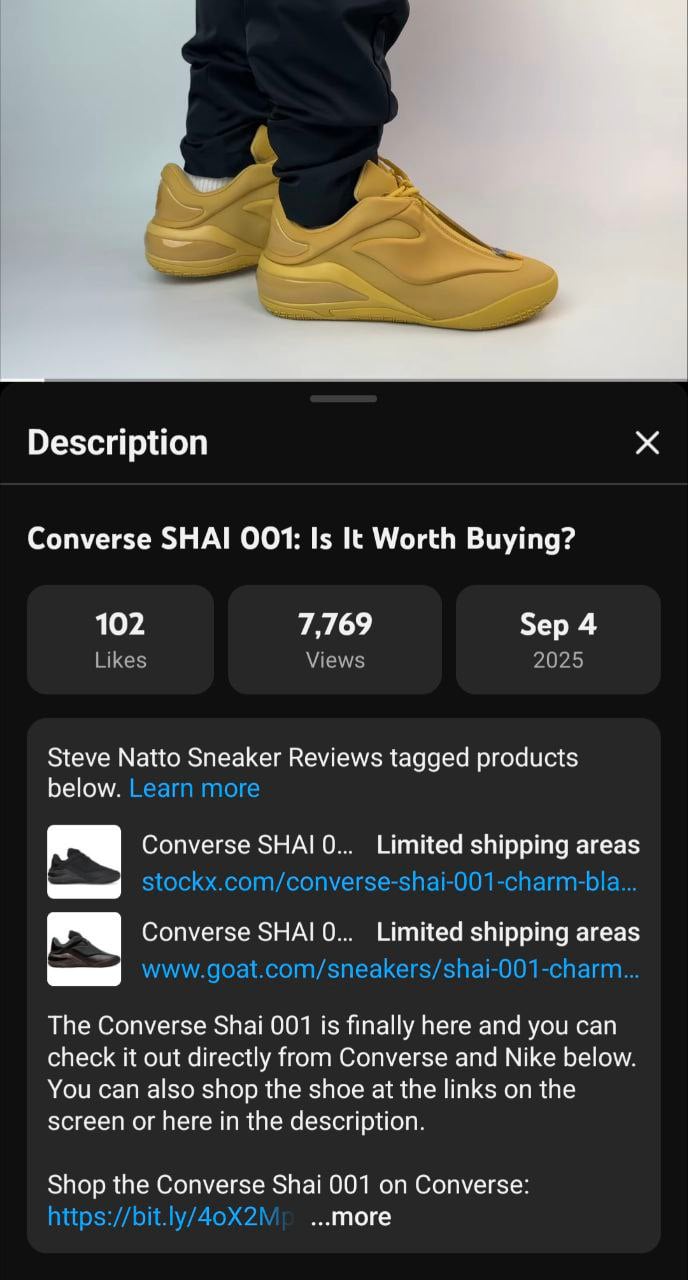
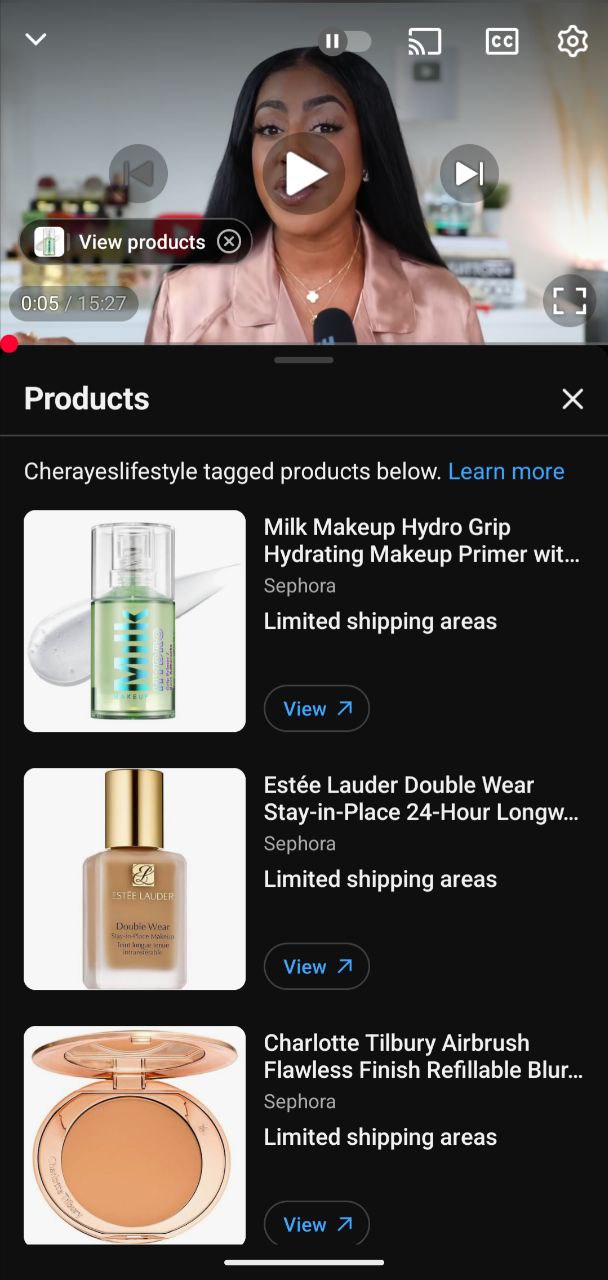
YouTube did the same. YouTube Shopping Affiliate lets brands set default and tiered commissions for creators. Shorts and long‑form videos now can carry product tags, and creators earn “full basket” commissions on purchases they drive. That’s pretty much affiliate infrastructure – just native.

Brands moved the budget to performance
There’s also a clear shift from “pay for a post” to “pay for outcomes.” Instead of pure flat fees, advertisers now ask creators to opt for CPA/CPS or hybrid deals (a lighter upfront payment plus a conversion payout), so budgets align directly with the revenue they produce.
That is cost-cutting and gives better control: built-in shopping features, promo codes, and clean attribution make it easy to track what a creator actually sells. As a result, media buyers test creators like any other traffic source: run small, cheap tests with creators to measure their real customer acquisition cost before pouring in serious money, then scale with allowlisted ads or short, conversion-focused bursts.
Creators like hybrid models because earning more when they sell more often beats a one-time fee, and brands get predictable costs without losing the creator’s storytelling that drives sales. Win-win for everyone.
Shopping became content
On TikTok Shop’s second Black Friday in the US, shoppers spent $100M+ in a single day and watched 30,000+ live sessions. One brand (Canvas Beauty) cleared $2M in a single stream and $3M+ for the day. Now, we can hardly call that “influence”, that’s real retail at creator speed.
In general, what’s changed is the infrastructure. In-app product tags, carts, and payouts compress the whole funnel into a few taps, so a creator’s video or live can go straight to checkout – no tab-hopping or tracking gaps.
That’s why these shows convert and why budgets follow: it’s fast, measurable, and payout-friendly (commissions trigger only when a sale lands). You can even layer urgency with Flash Deals inside TikTok Shop to spike conversion during a live window, just like a classic affiliate flash sale – only it happens inside the platform.

Meanwhile, YouTube’s Shopping Affiliate program lets creators tag products and earn commission from that content, pushing the same “content > cart > commission” flow across Shorts and long-form. Put together, platforms built the rails, advertisers asked for proof, and creators leaned in because the math works.
How Deals Are Being Structured Now
Think hybrid compensation: a lower flat fee to cover content + a meaningful CPA/CPS, sometimes with an extra commission on allowlisted ad spend or live events.
Now, creators are usually plugged into existing tracking, exactly like coupon and content partners. That framing simplifies reporting and puts influencer costs under the same ROAS lens as other affiliates.
Real-Life Examples of Creators Already Operating like Affiliates
To keep this real, here are concrete, named examples across platforms.
- Steve Natto and Cheraye Lewis on YouTube: Google spotlights sneaker creator Steve Natto (tagging products in Shorts) and Cheraye Lewis (earning via “full basket commissions”). These aren’t sponsorships – they offer tagged products from the brand’s catalog (tracked at the product-ID level) with commissionable sales.
- LTK (LIKEtoKNOW.it): LTK’s own case studies claim 130+ creators have crossed $1M in commissions on the platform – classic CPS outcomes powered by creator content.
- ShopMy (affiliate platform turned marketplace): Now processing roughly $80M in monthly sales through affiliate links, ShopMy’s new shopping destination routes purchases to brand sites and splits commissions across recommending creators – a literal affiliate co‑op.
Techniques Creators Use Today That Affiliates Will Recognize
And now some techniques all affiliate marketers know and influencers are already using:
Whitelisting/allowlisting and creator-handle ads
For example, a beauty creator posts a tutorial that blows up. Instead of recreating it, the brand runs that exact post as an ad from the creator’s handle – so it feels native and keeps the social proof. On TikTok, this is Spark Ads, on Meta, it’s Partnership Ads.
While previously the deals sounded more like “can we boost your post?”, now it’s paid usage rights plus a commission kicker on the sales those allowlisted ads drive. That’s how creator storytelling scales like a proper performance channel.
Commission stacking
Smart creators don’t rely on one link anymore, but stack commissions: a TikTok Shop tag for instant in-app buys, a YouTube tag for viewers who prefer that flow, and a storefront on LTK/Amazon for everyone else.
Now, whichever path a fan takes, the sale tracks back to the creator – and the brand sees the lift across multiple carts. It’s the creator version of a diversified CPS.

Link-in-bio as a pre-lander
Instead of dumping traffic straight to a product page, creators send clicks to a mini hub (think Beacons) where they can warm the visitor with a short pitch, collect email/SMS, and – crucially – drop a retargeting pixel.
From there, they nudge people to the best offer or the live stream that’s running now. It’s exactly how affiliates pre-sell, just wrapped in a creator’s voice.
Live commerce urgency
For some, live shows are just vibes, but for earning influencers, they’re also countdowns, live-only coupons, and flash deals that push viewers over the line while they’re watching.
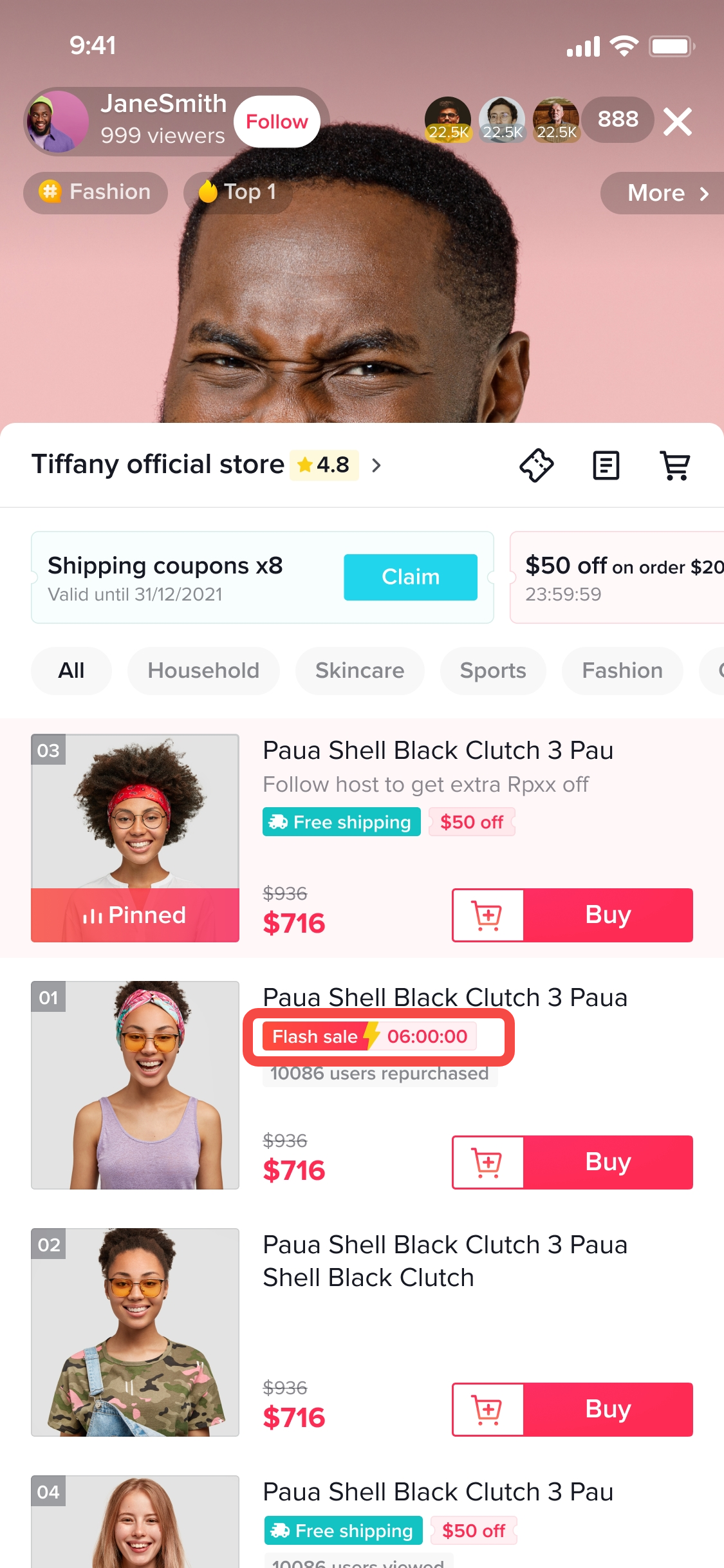
TikTok Shop literally bakes in the urgency UI (lightning badge, timer) and lets brands/creators set up Flash Deals and LIVE Coupons from the Seller dashboard. Because checkout happens in-app, attribution stays clean and AOV (Average Order Value) often ticks up with bundles and time-boxed promos.
What Does This All Mean?
It’s not like influencer marketing is disappearing, but it changes. Platforms now ship the links, pixels, tags, and payout logic, while brands expect conversions and creators expect revshare rewards. That’s kinda affiliate logic with a creator face.
If you’re a brand or an advertiser, you don’t need a new playbook – just a friendlier wrapper:
- Recruit creators like publishers, not celebrities. Give them CPS upside and brief them like partners, not just ad placements.
- Plan media around creator content that already sells. Then scale via allowlisted ads and native shop rails – paying more when ROAS justifies it.
- Make the link‑in‑bio your pre‑lander. Capture the click, build audiences, and retarget across your PropellerAds buys.
Conclusion
Call it creator commerce, social selling, or “influence that converts” – up to you! What really matters here is that creators and affiliates now speak the same language: trackable links, measurable conversions, and scalable spend. In other words, the future of influencer marketing looks a lot like the best of affiliate marketing – only more social. Good luck with your experiments!
Join our Telegram for more insights and share your ideas with fellow-affiliates!